
Sprain Treatment in San Antonio, TX
Dr. Brown, is a board-certified, fellowship-trained orthopaedic surgeon specializing in sports medicine and the treatment of knee, shoulder, and elbow conditions. Her San Antonio practice provides care for sprains, strains, cramps, sprained or twisted ankles, and other sports-related injuries. Treatment depends on the location and severity of the sprain. Mild injuries may improve with protection, rest, ice, compression, elevation, and activity modification, while more significant injuries may require bracing, rehabilitation, or additional treatment. An orthopaedic evaluation can help determine whether there is a ligament tear, fracture, or another injury requiring specialized care.
What are Sprains and Strains?
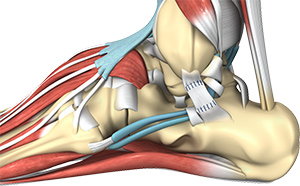
Sprains and strains are injuries affecting the muscles and ligaments. A sprain is an injury or tear of one or more ligaments that commonly occurs at the wrist, knee, ankle or thumb. A strain is an injury or tears to the muscle. Strains occur commonly in the back and legs.
Causes of Sprains and Strains
Sprains and strains occur due to overstretching of the joints during sports activities and accidents such as falls or collisions. It may be due to fatigue or not warming up before an activity.
Symptoms of Sprains and Strains
Symptoms of sprains include:
- Pain
- Swelling
- Tenderness
- Bruising
- Joint stiffness
Symptoms of strains include:
- Muscle spasm and weakness
- Pain in the affected area
- swelling
- Redness
- bruising
Immediate Care for Sprains and Strains
Immediately following an injury and before being evaluated by your doctor, you should initiate the P.R.I.C.E. method of treatment.
- Protection: Protect the injured area with the help of support.
- Rest: Rest the affected area as more damage could result from putting pressure on the injury.
- Ice: Ice should be applied over a towel to the affected area for 15-20 minutes every two to three hours during the day. Never place ice directly over the skin.
- Compression: Wrapping with an elastic bandage or an elasticated tubular bandage can help to minimize the swelling and provide support to the injured area.
- Elevation: Elevating the injured area above heart level will also help with swelling and pain.
Diagnosis of Sprains and Strains
Diagnosis involves a thorough physical examination. Your doctor will inspect the area of injury and see how well you move the muscle or joint. X-rays or other tests may be ordered to rule out fractures or other problems.
Treatment of Sprains and Strains
Your doctor may prescribe nonsteroidal anti-inflammatory drugs to reduce the pain and inflammation of a sprain or strain. A period of bracing may be necessary. Physiotherapy may be recommended for moderate to severe injuries. Surgery is rarely needed but may be suggested for torn ligaments and tendons.
Most sprains and strains show significant improvement in about 2 weeks. Severe injuries sometimes take months to heal. Strenuous activity should be avoided for at least 8 weeks to allow proper healing.
Why Choose Dr. Leah Brown for Sprain Treatment in San Antonio?
- Board-certified, fellowship-trained orthopaedic surgeon: Dr. Brown is fellowship trained in orthopaedic sports medicine, shoulder, and elbow care.
- Specialized sports medicine care: Her practice focuses on sports medicine and orthopaedic conditions affecting active individuals and athletes.
- Sprain and sports injury treatment: Sprains are specifically included among the sports medicine conditions treated by Dr. Brown.
- Evaluation of ligament injuries: A proper assessment can help distinguish a mild sprain from a more significant ligament injury or an associated fracture.
- Individualized treatment planning: Treatment recommendations are based on the injured joint, severity of the injury, activity level, and recovery goals.
- San Antonio orthopaedic care: Dr. Brown provides sports medicine and orthopaedic care through UT Health San Antonio locations in the San Antonio area.
Sprains FAQs
What is a sprain?
A sprain is an injury to a ligament, the strong band of tissue that connects bones and helps stabilize a joint. A sprain can involve stretching or tearing of one or more ligaments.
What causes sprains?
Sprains commonly occur when a joint is forced beyond its normal range of motion. Falls, collisions, sudden twisting movements, awkward landings, and sports activities can all cause sprains.
What are the symptoms of a sprain?
Common symptoms include pain, swelling, tenderness, bruising, stiffness, and difficulty moving or putting weight on the affected joint. The symptoms can vary depending on the severity and location of the injury.
Which joints are commonly affected by sprains?
Sprains frequently occur in the ankle, knee, wrist, and thumb. Sports and activities involving jumping, running, twisting, or sudden changes in direction can increase the risk of certain sprains.
What should I do immediately after a sprain?
Protecting and resting the injured area, applying ice appropriately, using compression when suitable, and elevating the affected area can help manage initial swelling and discomfort. Severe pain, deformity, inability to bear weight, or other concerning symptoms should be evaluated promptly.
How is a sprain diagnosed?
An orthopaedic evaluation generally includes a review of how the injury occurred and a physical examination of the affected joint. Depending on the injury, X-rays or other imaging may be recommended to evaluate for a fracture or more significant tissue damage.
How are sprains treated?
Treatment depends on the severity of the injury. Options may include activity modification, bracing, medications when appropriate, physical therapy, and a gradual return to activity. More severe ligament injuries may require additional treatment, including surgery in selected cases.
How long does a sprain take to heal?
Recovery time varies according to the joint involved and the severity of the ligament injury. Mild sprains may improve relatively quickly, while more significant ligament injuries can require a longer period of rehabilitation.
When should I see an orthopaedic specialist for a sprain?
Consider an evaluation if you have severe or persistent pain, significant swelling or bruising, joint instability, difficulty bearing weight, restricted movement, or symptoms that are not improving with initial care. An evaluation is also appropriate when you are concerned about returning to sports after an injury.
Can I return to sports after a sprain?
Returning to sports should be gradual and based on recovery of pain-free movement, strength, stability, and function. Returning too quickly can increase the risk of reinjury. An appropriate rehabilitation plan can help support a safe return to activity.
Schedule a Sprain Evaluation in San Antonio, TX
Dr. Leah Brown, MD, provides sports medicine and orthopaedic care for sprains and other sports-related injuries in San Antonio. Her approach is tailored to the location and severity of the injury, activity level, and individual recovery goals.
If you are experiencing persistent pain, swelling, instability, or difficulty returning to normal activities after a sprain, schedule an evaluation with Dr. Leah Brown in San Antonio, TX.
For more information about our services or to schedule an appointment, call us at or cltextick here to request an appointment online. We’ll respond to you as soon as possible.