
Shoulder Instability Treatment in San Antonio, TX
Dr. Brown, is a board-certified, fellowship-trained orthopaedic surgeon specializing in sports medicine and surgical care of the shoulder, knee, and elbow. Her practice includes shoulder instability, shoulder arthroscopy, labral repair, rotator cuff repair, and other sports-related shoulder conditions.Shoulder instability may develop following an injury or dislocation, repetitive overhead activities, or looseness of the supporting ligaments and capsule. Treatment depends on the severity and cause of instability, the patient's activity level, history of previous dislocations, and other factors. Nonsurgical care may include activity modification, medications, physical therapy, and temporary immobilization. When instability continues despite conservative treatment, surgical stabilization may be considered.
What is Shoulder Instability?
Shoulder instability is a chronic condition that causes frequent dislocation of the shoulder joint.
What are the Causes of Shoulder Instability?
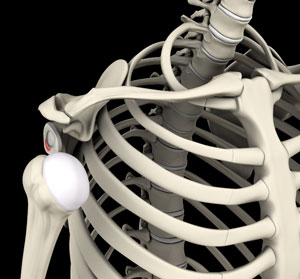
A dislocation occurs when the end of the humerus (ball portion) partially or completely dislocates from the glenoid (socket portion) of the shoulder. A partial dislocation is referred to as a subluxation whereas a complete separation is referred to as a dislocation.
What are the Risk Factors of Shoulder Instability?
The risk factors that increase the chances of developing shoulder instability include:
- Injury or trauma to the shoulder
- Falling on an outstretched hand
- Repetitive overhead sports such as baseball, swimming, volleyball or weightlifting
- Loose shoulder ligaments or an enlarged capsule
What are the Symptoms of Shoulder Instability?
The common symptoms of shoulder instability include pain with certain movements of the shoulder, popping or grinding sound that may be heard or felt, swelling and bruising of the shoulder seen immediately following subluxation or dislocation.
Visible deformity and loss of function of the shoulder occur after subluxation or sensation changes such as numbness. Partial paralysis can occur below the dislocation because of pressure on nerves and blood vessels.
What are the Treatment Options for Shoulder Instability?
Conservative Treatments for Shoulder Instability
The goal of conservative treatment for shoulder instability is to restore stability, strength and a full range of motion. Conservative treatment measures may include the following:
- Closed reduction: Following a dislocation, your surgeon can often manipulate the shoulder joint, usually under anesthesia, realigning it into proper position. Surgery may be necessary to restore normal function depending on your condition.
- Medications: Over-the-counter pain medications and NSAIDs can help reduce the pain and swelling. Steroidal injections may also be administered to decrease swelling.
- Rest: Rest the injured shoulder and avoid activities that require overhead motion. A sling may be worn for 2 weeks to facilitate healing.
- Ice: Ice packs should be applied to the affected area for 20 minutes every hour.
Surgery for Shoulder Instability
When conservative treatment options fail to relieve shoulder instability, your surgeon may recommend shoulder stabilization surgery. Shoulder stabilization surgery is performed to improve the stability and function of the shoulder joint and prevent recurrent dislocations. It can be performed arthroscopically, depending on your condition, with much smaller incisions.
Arthroscopy is a surgical procedure in which an arthroscope, a small flexible tube with a light and video camera at the end, is inserted into a joint to evaluate and treat the condition.
The benefits of arthroscopy compared to the alternative, open shoulder surgery, are smaller incisions, minimal soft tissue trauma, less pain leading to faster recovery.
Why Choose Dr. Leah Brown for Shoulder Instability in San Antonio
Recurring shoulder instability can make athletes and active individuals hesitant to participate in activities that involve reaching, throwing, lifting, or overhead movement. Specialized sports medicine care can help identify the cause of instability and determine an appropriate treatment strategy.
- Fellowship-Trained Sports Medicine Specialist
- Specialized Shoulder Care
- Individualized Treatment Planning
- Arthroscopic Shoulder Treatment
- Sports Medicine Experience
Shoulder Instability FAQs
What is shoulder instability?
Shoulder instability occurs when the structures that normally keep the ball of the upper arm bone within the shoulder socket do not adequately stabilize the joint. The shoulder may partially slip out of position, called a subluxation, or completely dislocate.
What causes shoulder instability?
Shoulder instability may result from a traumatic injury, previous shoulder dislocation, falling onto an outstretched hand, repetitive overhead activities, or naturally loose shoulder ligaments and capsule.
What are the symptoms of shoulder instability?
Symptoms may include shoulder pain, a sensation that the shoulder is slipping or giving way, popping or grinding, reduced function, and swelling or bruising following an injury or dislocation. Some patients may also experience numbness or other changes in sensation.
What sports can increase the risk of shoulder instability?
Sports and activities involving repetitive overhead movement or forceful shoulder motion may increase the risk of instability. Examples include baseball, swimming, volleyball, and weightlifting.
Can shoulder instability be treated without surgery?
Yes. Depending on the cause and severity, nonsurgical treatment may include activity modification, rest, pain medication, physical therapy, and temporary use of a sling or brace. The appropriate treatment depends on the individual condition.
When is surgery recommended for shoulder instability?
Surgery may be considered when the shoulder continues to dislocate or feel unstable despite appropriate nonsurgical treatment, or when an injury has caused structural damage that requires surgical stabilization.
What is shoulder stabilization surgery?
Shoulder stabilization surgery is designed to improve the stability of the shoulder and reduce recurrent dislocations or subluxations. Depending on the injury, the procedure may involve repairing or tightening damaged supporting tissues.
Is shoulder stabilization surgery performed arthroscopically?
Some shoulder stabilization procedures can be performed using arthroscopic techniques. An arthroscope allows the surgeon to view the inside of the shoulder through a small incision, with additional small incisions used for specialized instruments.
How long does recovery take after shoulder stabilization?
Recovery varies depending on the procedure performed, severity of the injury, and individual healing. Rehabilitation commonly includes a period of protection followed by exercises designed to restore shoulder motion, strength, and stability.
Can I return to sports after shoulder instability treatment?
Many patients work toward returning to sports after appropriate treatment and rehabilitation. Return-to-sport timing depends on healing, strength, shoulder stability, range of motion, and the physical demands of the activity.
What are the risks of shoulder instability surgery?
Potential complications can include infection, bleeding, stiffness, nerve or blood vessel injury, recurrent instability, and complications associated with anesthesia. Your surgeon will discuss the potential risks and benefits of surgery based on your individual condition.
Where can I get shoulder instability treatment in San Antonio, TX?
Leah Brown, MD provides specialized sports medicine and shoulder care in San Antonio, including evaluation and treatment of shoulder instability and other shoulder conditions.
Get Shoulder Instability Treatment in San Antonio, TX
Leah Brown, MD provides specialized sports medicine and shoulder care for patients in San Antonio, TX, including evaluation and treatment of shoulder instability.
If recurring shoulder instability is affecting your activity or quality of life, schedule an appointment with Dr. Leah Brown to discuss your symptoms and treatment options.
For more information about our services or to schedule an appointment, call us at or cltextick here to request an appointment online. We’ll respond to you as soon as possible.