
Shoulder Impingement Treatment in San Antonio, TX
Shoulder impingement can cause persistent pain, weakness, and difficulty with overhead movements, making everyday activities and sports more challenging. If shoulder pain is interfering with your ability to work, exercise, sleep, or participate in activities you enjoy, an evaluation by an experienced orthopaedic specialist can help identify the cause and determine appropriate treatment options. In San Antonio, TX, Dr. Brown provides specialized orthopaedic and sports medicine care for shoulder conditions, including shoulder impingement. As a board-certified, fellowship-trained orthopaedic surgeon specializing in sports medicine and the surgical care of the knee, shoulder, and elbow, Dr. Brown evaluates each patient's symptoms and functional goals to develop an individualized treatment plan.
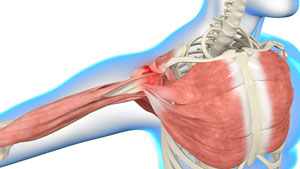
What is Shoulder Impingement?
The shoulder is a ball-and-socket joint. The ball-shaped end of the upper arm bone (humerus) fits neatly into a socket, called the glenoid, which is part of the shoulder blade or scapula.
Shoulder impingement is the inflammation of the tendons of the shoulder joint. It is one of the most common causes of pain in the shoulder. Shoulder impingement is also called swimmer’s shoulder, tennis shoulder or rotator cuff tendinitis.
What are the Causes of Shoulder Impingement?
Impingement results in the young and middle-aged who engage in physical activities that require repeated overhead arm movements. The pain may be due to bursitis (inflammation of the bursa) overlying the rotator cuff or tendonitis of the cuff itself. In some circumstances, a partial tear of the rotator cuff may cause impingement pain.
What are the Symptoms of Shoulder Impingement?
Individuals with shoulder impingement may experience severe pain at rest and during activities, weakness of the arm and difficulty in raising the hand overhead.
How is Shoulder Impingement Diagnosed?
Diagnosis involves a physical examination by your doctor, where your doctor checks for the possible range of movements with the affected shoulder. X-rays and MRI scans may be ordered to view the injury and inflammation.
What are the Treatment Options for Shoulder Impingement?
Conservative Treatment Options for Shoulder Impingement
Shoulder impingement can be treated with rest, ice packs, anti-inflammatory drugs and avoiding activities involving the shoulder. Physical therapy may be advised to strengthen the muscles and steroid injections may be administered if pain persists.
Surgery for Shoulder Impingement
Arthroscopic surgery is recommended if the rotator cuff tendons are torn and to remove the bony spurs.
Why Choose Dr. Leah Brown for Shoulder Impingement Treatment in San Antonio, TX?
- Board-Certified, Fellowship-Trained Surgeon: Dr. Brown is board-certified and fellowship-trained in sports medicine with specialized training involving the shoulder.
- Specialized Shoulder Care: Her clinical focus includes the diagnosis and treatment of shoulder conditions, including shoulder impingement.
- Sports Medicine Experience: Dr. Brown provides care for athletes and active adults with sports-related and musculoskeletal injuries.
- Individualized Treatment Plans: Treatment recommendations are based on your symptoms, shoulder function, activity level, and response to previous treatment.
- Surgical and Nonsurgical Options: Depending on your condition, care may include conservative treatment or minimally invasive surgical procedures when appropriate.
- San Antonio Orthopaedic Care: Dr. Brown provides orthopaedic and sports medicine care through UT Health San Antonio in the San Antonio area.
Shoulder Impingement FAQs
What is shoulder impingement?
Shoulder impingement occurs when structures in the shoulder, often involving the rotator cuff tendons and surrounding tissues, become irritated and painful. It can cause pain with lifting or reaching overhead and may affect shoulder strength and function.
What are the symptoms of shoulder impingement?
Common symptoms include shoulder pain, weakness, and difficulty raising the arm. Pain may occur during overhead activities and, in some cases, may also be noticeable while resting or sleeping.
What causes shoulder impingement?
Shoulder impingement may be associated with repetitive overhead activities, sports, inflammation of the bursa or rotator cuff tendons, or an underlying rotator cuff injury. An orthopaedic evaluation can help determine the specific cause of your symptoms.
When should I see an orthopaedic surgeon for shoulder impingement?
Consider an evaluation if shoulder pain persists despite rest or activity modification, limits your range of motion, affects your strength, or interferes with work, sports, sleep, or everyday activities.
How is shoulder impingement diagnosed?
Diagnosis generally begins with a physical examination and assessment of shoulder movement and strength. Depending on the symptoms and examination findings, imaging such as X-rays or MRI may be recommended to evaluate the shoulder and identify associated conditions.
Can shoulder impingement be treated without surgery?
Yes. Many cases can initially be managed with nonsurgical treatment. Depending on the individual situation, options may include modifying activities that aggravate the shoulder, physical therapy, medications, ice, and injections.
How long does it take to recover from shoulder impingement?
Recovery varies depending on the underlying cause, severity of symptoms, treatment approach, and individual healing. Following a personalized rehabilitation program and gradually returning to activities can help support recovery.
Is surgery necessary for shoulder impingement?
Surgery is not always necessary. If symptoms continue despite appropriate nonsurgical treatment or there is an associated rotator cuff injury or other structural problem, an orthopaedic surgeon may discuss arthroscopic treatment.
Can I return to sports after shoulder impingement treatment?
Many active patients work toward returning to sports and other physical activities after treatment. The timing depends on the severity of the condition, treatment received, shoulder strength and mobility, and the demands of the specific sport or activity.
Where can I get shoulder impingement treatment in San Antonio, TX?
Dr. Leah Brown provides orthopaedic sports medicine care in San Antonio, including specialized care for shoulder conditions. She sees patients through UT Health San Antonio locations in the San Antonio area.
Schedule Shoulder Impingement Care in San Antonio, TX
Dr. Leah Brown provides specialized orthopaedic and sports medicine care for shoulder conditions in San Antonio, TX. Whether your symptoms developed from repetitive overhead activity, sports, or another cause, an individualized evaluation can help guide your next steps.
Schedule a Shoulder Impingement Evaluation in San Antonio, TX Today.
For more information about our services or to schedule an appointment, call us at or cltextick here to request an appointment online. We’ll respond to you as soon as possible.