Request an Appointment or Give us a call
Platelet-Rich Plasma (PRP) for the Shoulder in San Antonio, TX
Dr. Brown is a board-certified, fellowship-trained orthopaedic surgeon specializing in sports medicine and the surgical care of the knee, shoulder, and elbow. Her practice includes PRP therapy as part of its regenerative medicine services, along with comprehensive care for shoulder conditions such as rotator cuff tears, shoulder impingement, instability, and other sports-related injuries.
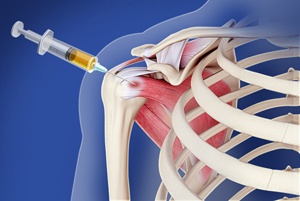
PRP therapy uses a concentrated preparation of a patient's own blood components. After a blood sample is processed, the platelet-rich portion may be injected into the affected area. Whether PRP is appropriate depends on the underlying shoulder condition, symptoms, previous treatments, overall health, and individual treatment goals. An evaluation can help determine whether PRP or another nonsurgical or surgical option is appropriate.
Orthobiologic
Orthobiologics are products made from biological substances naturally found in the body. They are used by orthopaedic surgeons to improve the healing of musculoskeletal tissues such as tendons, muscle or bone. Regenerative medicine is the interdisciplinary branch of medicine that replaces damaged or diseased tissues and organs by generating functional tissues. This can be achieved by stimulating the body’s repair mechanism with biomaterials such as orthobiologics.
Orthobiologics Treatment for Shoulder
Orthobiologics help your body repair damaged tissue and bone, heal injuries faster and minimize pain. They are administered through injections or surgery. Orthobiologics are recommended by your doctor to treat shoulder conditions causing pain and stiffness.
Am I a Suitable Candidate for Orthobiologics Treatment?
Your doctor recommends orthobiologics if you do not respond to conservative treatment options and require quick healing. People with medical conditions such as diabetes, thyroid disorders or cancer may not be suitable for orthobiologics treatment. Inform your doctor if you take prescribed blood-thinning medications.
Types of Orthobiologics for Shoulder
Some important types of orthobiologics are discussed below.
Platelet-Rich Plasma (PRP)
Platelet-rich plasma (PRP) is an orthobiologic with a high concentration of platelets in plasma. Blood consists of solid and liquid components. Plasma is the liquid portion of the blood that contains water, salts, enzymes, hormones, and various proteins. The blood cells including the red blood cells, white blood cells, and platelets form the solid portion.
Activation of the platelets followed by an injury is an important step in the natural healing process. Platelets enhance the healing process by releasing various growth factors and proteins. PRP can be injected into a site of injury or maybe applied during surgery to enhance healing.
Your doctor may suggest PRP for shoulder conditions including:
- Rotator cuff tear
- Shoulder arthritis
- Shoulder impingement
- Labral tear
- Biceps tendonitis
- Cell Therapy
Cord blood that remains in the umbilical cord and placenta after childbirth has anti-inflammatory properties and has also been shown to decrease cell death and fibrous tissue formation. This regenerative capacity offers the potential for the management of shoulder arthritis and rotator cuff injuries. However, conclusive evidence still needs to be obtained.
Bone Grafting
A bone graft is the healthy bone tissue taken from the patient’s body (autograft) or obtained from a healthy donor or a deceased donor (allograft) and transplanted to the site of a shoulder injury. Bone grafting is usually performed to repair a shoulder fracture. Once transplanted, the graft slowly converts to new living tissue and establishes functional connections with the living bone (osseointegration).
Cartilage Restoration
Cartilage restoration is a procedure to replace the damaged cartilage by stimulating cartilage growth or transplanting cartilage tissue.
Cartilage restoration is indicated for cartilage defects in the shoulder that can range from minor injury to degeneration(osteoarthritis).
The articular surfaces of the body’s joints are lined by a smooth white tissue called articular cartilage that serves as a shock absorber and allows easy movement of the bones within the joint. Injury or normal wear-and-tear can damage and cause defects in the cartilage, resulting in irregular articular surfaces that interfere with movement causing pain, swelling and disability. Cartilage restoration is achieved by surgery.
Complications of Orthobiologics
Complications are rare but can include:
- Pain
- Infection
- Nerve injuries
Why Choose Dr. Leah Brown for PRP for the Shoulder in San Antonio, TX?
- Board-Certified, Fellowship-Trained Surgeon: Dr. Brown is a board-certified, fellowship-trained orthopaedic surgeon specializing in sports medicine.
- Regenerative Medicine Services: PRP therapy is listed among Dr. Brown's regenerative medicine services.
- Specialized Shoulder Care: Her clinical focus includes shoulder disorders and injuries, including rotator cuff conditions, shoulder instability, and other sports-related problems.
- Sports Medicine Focus: Dr. Brown provides care for athletes and active adults with musculoskeletal injuries affecting their ability to participate in sports and physical activities.
- Individualized Treatment: PRP is not appropriate for every shoulder condition, so treatment recommendations can be based on your diagnosis, symptoms, activity level, and previous treatment.
- San Antonio Orthopaedic Care: Dr. Brown provides orthopaedic sports medicine care through UT Health San Antonio in San Antonio, TX.
PRP for the Shoulder FAQs
What is PRP therapy for the shoulder?
Platelet-rich plasma (PRP) therapy uses a concentrated preparation of platelets derived from a patient's own blood. PRP may be injected into an area affected by a musculoskeletal injury or condition as part of a treatment plan.
What shoulder conditions may be treated with PRP?
PRP may be considered for certain shoulder conditions, including some tendon injuries, tendinopathy, rotator cuff problems, and other musculoskeletal conditions. Whether it is appropriate depends on the specific diagnosis and individual circumstances.
Is PRP made from my own blood?
Yes. PRP is prepared from a sample of the patient's own blood. The sample is processed to concentrate platelets and other blood components before the preparation is used for treatment.
Is PRP for the shoulder a surgical procedure?
PRP is generally administered as an injection rather than as an open surgical procedure. It may be considered as a nonsurgical treatment option depending on the underlying shoulder condition.
Is PRP appropriate for everyone with shoulder pain?
No. The suitability of PRP depends on the cause of shoulder pain, the severity and duration of symptoms, overall health, previous treatment, and other individual factors. A medical evaluation is needed to determine whether PRP is appropriate.
Can PRP replace shoulder surgery?
PRP is not a replacement for surgery in every situation. Some structural shoulder injuries may require surgical treatment, while other conditions may be managed nonsurgically. Your physician can discuss the available options based on your diagnosis.
How long does it take for PRP to work?
The response to PRP varies from person to person and depends on the condition being treated. PRP should not be considered a guaranteed or immediate solution for shoulder pain. Your physician can explain what to expect based on your specific condition.
Can I return to sports after PRP treatment?
Activity recommendations after PRP depend on the condition being treated and the location of the injection. Athletes may need to temporarily modify their activities before gradually returning to sports as symptoms and function improve.
Are there risks associated with PRP therapy?
As with any injection, potential risks can include temporary pain or soreness, bleeding, infection, or injury to nearby structures. Your physician can discuss the potential risks and benefits before treatment.
Where can I get PRP therapy for shoulder pain in San Antonio, TX?
Dr. Leah Brown provides sports medicine and regenerative medicine care in San Antonio, TX, and lists PRP therapy among her services. Her practice also provides specialized care for shoulder disorders and sports-related injuries.
Schedule PRP Shoulder Treatment in San Antonio, TX
Dr. Leah Brown provides PRP therapy and sports medicine care in San Antonio, TX, with a clinical focus that includes shoulder conditions and sports-related musculoskeletal injuries. An individualized evaluation can help determine whether PRP or another treatment approach is appropriate for your shoulder condition and goals.
Schedule a PRP Shoulder Consultation in San Antonio, TX Today.
For more information about our services or to schedule an appointment, call us at or cltextick here to request an appointment online. We’ll respond to you as soon as possible.