
Meniscus Repair in San Antonio, TX
Dr. Brown, is a board-certified, fellowship-trained orthopaedic surgeon specializing in sports medicine and surgical care of the knee, shoulder, and elbow. Her practice includes meniscus repair, knee arthroscopy, ligament reconstruction, and treatment of sports-related knee injuries.Meniscus repair is commonly performed using arthroscopic techniques. During the procedure, a small camera is inserted into the knee through a small incision, allowing the surgeon to evaluate the meniscus and other structures within the joint. Specialized instruments can then be used to repair the torn meniscus with sutures or other repair techniques when appropriate.
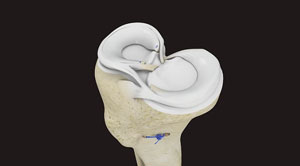
What is Anatomy of the Meniscus?
Two wedge-shaped cartilage pieces are present between the thighbone and the shinbone. These are called menisci. They stabilize the knee joint and act as shock absorbers.
What is Meniscal Repair Surgery?
Meniscus repair is an outpatient surgical procedure to repair torn knee cartilage. A variety of minimally invasive procedures are used to repair a torn meniscus, and postoperative protection is required to allow for recovery.
What is the Procedure for Meniscal Repair Surgery?
Meniscus repair surgery is performed under general anesthesia.
The doctor sterilizes the surgical area and makes a small incision in the knee during the procedure.
A small tube with a camera called an arthroscope will be inserted through a small incision, which enables your surgeon to view the inside of your knee on a large screen.
Small miniature instruments are inserted through other small incisions and the supporting structures of the knee are gently moved out of the way to access the torn meniscus.
The torn meniscus will be pinned or sutured depending on the extent of the tear.
The scope and instruments are removed after the repair is completed, and the incision is closed and covered with a bandage.
What Does Postoperative Care for Meniscal Repair Surgery Involve?
You will be transferred to the recovery area where your nurse will closely observe you for any allergic/anesthetic reactions and monitor your vital signs as you recover.
You may notice some pain, swelling, and discomfort in the knee area. Pain and anti-inflammatory medications are provided as needed.
Antibiotics may be prescribed to address the risk of surgery-related infection.
Keep the surgical site clean and dry. Instructions on surgical site care and bathing will be provided.
You will be placed on crutches with instructions on restricted weight-bearing. You are encouraged to walk with assistance as frequently as possible to prevent blood clots.
You are advised to keep your leg elevated while resting to prevent swelling and pain.
An individualized physical therapy protocol may be designed to help strengthen your knee muscles and optimize knee function.
A periodic follow-up appointment will be scheduled to monitor your progress.
What are the Risks and Complications of Meniscal Repair Surgery?
Meniscus repair is a relatively safe procedure; however, as with any surgery, some risks and complications may occur, such as the following:
- Infection
- Damage to nerves and blood vessels
- Blood clots or deep vein thrombosis (DVT)
- Allergic or anesthetic reactions
Why Choose Dr. Leah Brown for Meniscus Repair in San Antonio
A meniscus tear can affect knee stability, movement, and the ability to participate in sports and other activities. Choosing an orthopaedic surgeon with specialized sports medicine and knee experience can help patients understand their injury and treatment options.
- Fellowship-Trained Sports Medicine Specialist
- Specialized Meniscus and Knee Care
- Focus on Meniscus Preservation
- Individualized Treatment Planning
- Sports Medicine Experience
Meniscus Repair FAQs
What is a meniscus tear?
A meniscus tear is an injury to one of the two C-shaped pieces of cartilage located between the thighbone and shinbone. The menisci help absorb shock and contribute to stability within the knee.
What is meniscus repair?
Meniscus repair is a surgical procedure that uses sutures or other techniques to stabilize and repair a torn meniscus. The goal is to preserve as much healthy meniscal tissue as possible when repair is appropriate.
How is meniscus repair performed?
Meniscus repair is commonly performed using knee arthroscopy. A small camera is inserted through a small incision to visualize the knee, while specialized instruments are introduced through additional small incisions to repair the torn meniscus.
Can every meniscus tear be repaired?
No. Whether a meniscus tear can be repaired depends on factors such as the location and pattern of the tear, the quality of the tissue, its blood supply, associated injuries, and other patient-specific factors. Your orthopaedic surgeon can determine the most appropriate treatment after evaluating your knee.
What are the symptoms of a torn meniscus?
Common symptoms include knee pain, swelling, stiffness, catching, locking, and difficulty moving the knee through its normal range of motion. Some people may also experience a sensation that the knee is giving way.
How is a meniscus tear diagnosed?
Diagnosis generally includes a medical history and physical examination. Imaging, such as an MRI, may be recommended to evaluate the meniscus and other structures within the knee.
What happens after meniscus repair surgery?
Postoperative care may include pain management, restricted weight-bearing, crutches, and a structured rehabilitation program. Your recovery plan will depend on the type and location of the tear and the repair technique used.
Will I need physical therapy after meniscus repair?
Physical therapy is commonly an important part of recovery. Exercises may be introduced progressively to restore knee motion, strength, stability, and function while protecting the repaired meniscus.
How long does it take to recover from meniscus repair?
Recovery varies depending on the characteristics of the tear, repair technique, associated procedures, and individual healing. Meniscus repair generally requires a longer period of protection and rehabilitation than some procedures that remove damaged meniscal tissue.
When can I return to sports after meniscus repair?
Return to sports depends on healing, knee strength, range of motion, stability, and progress through rehabilitation. Your surgeon and physical therapist will help determine when it is appropriate to gradually resume athletic activities.
What are the risks of meniscus repair surgery?
Potential complications include infection, bleeding, blood clots, nerve or blood vessel injury, and reactions related to anesthesia. The meniscus may also fail to heal adequately and require additional treatment.
Where can I get meniscus repair in San Antonio, TX?
Leah Brown, MD provides specialized sports medicine and knee care in San Antonio, including evaluation and surgical treatment of appropriate meniscus injuries.
Get Meniscus Repair Care in San Antonio, TX
Leah Brown, MD provides specialized sports medicine and knee care for patients in San Antonio, TX, including evaluation and treatment of meniscus tears.
If a meniscus injury is affecting your knee function or ability to stay active, schedule an appointment with Dr. Leah Brown to discuss your symptoms and treatment options.
For more information about our services or to schedule an appointment, call us at or cltextick here to request an appointment online. We’ll respond to you as soon as possible.